Oct 2026 Update: BC MOE to Develop Provincial Policy for Pesticide Application by Drone
British Columbia is developing a provincial policy for pesticide application by agricultural drones. The Ministry of Environment and Parks has outlined a phased approach intended to support the adoption of drone spraying technology while establishing appropriate certification, licensing, and regulatory requirements.
For farmers, growers, and agricultural drone operators, understanding these changes will be important as the industry prepares for the upcoming spray seasons.
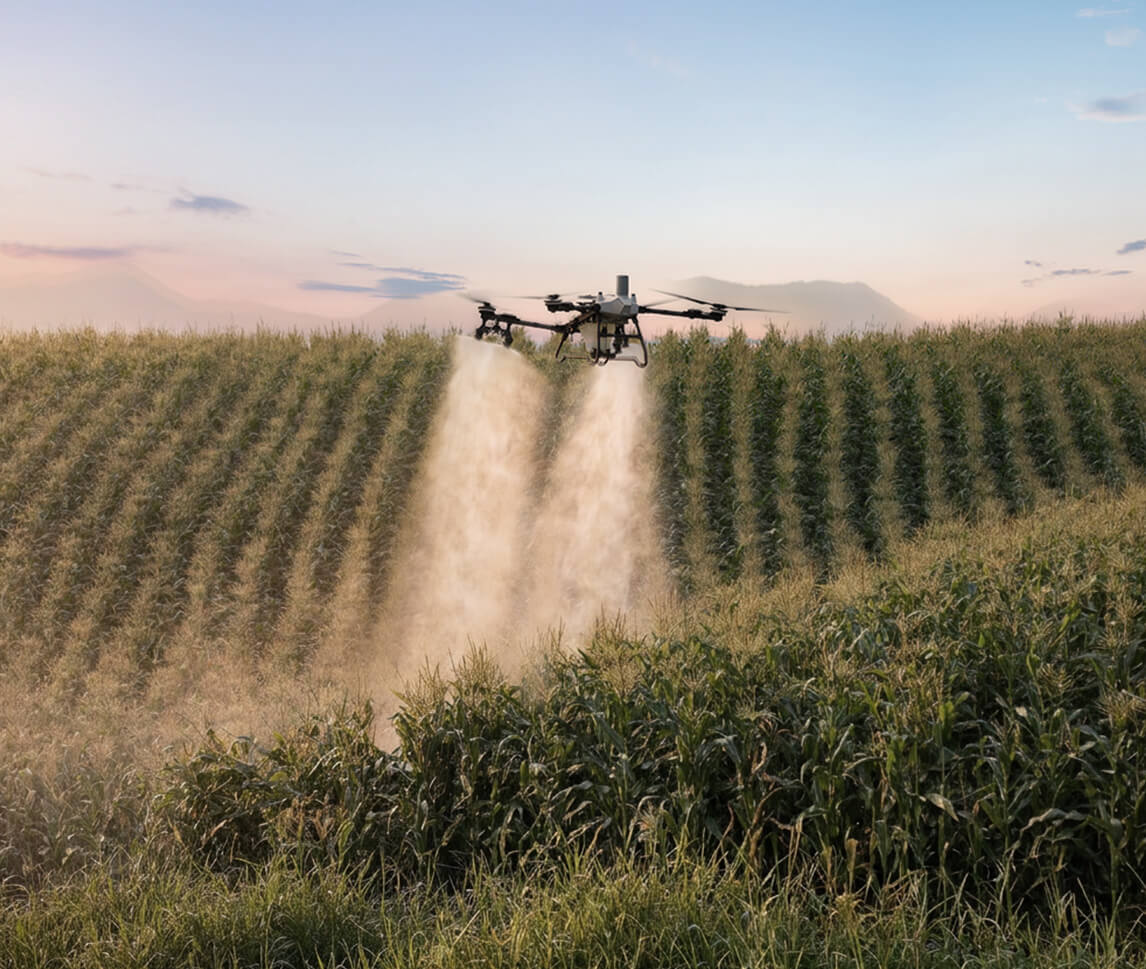
Under the proposed initial framework, pilots applying pesticides by drone will need a provincial pesticide applicator certificate in the new Aerial-RPAS category, in addition to their applicable Transport Canada pilot certification. The ministry intends to make training materials and the certification exam available during the winter ahead of the 2027 spray season.
Businesses and individuals providing pesticide application by drone as a service will need a pesticide service licence from the BC Ministry of Environment and Parks.
Certain qualifying agricultural pesticide applications on private land are exempt from Pesticide Use Permit requirements under the framework described by the ministry. Other applications, including most aerial pesticide applications on public land for range activities, may require a permit. Requirements depend on the specific use and circumstances.
Only pesticide products with the appropriate RPAS or aerial application directions on their labels may be applied by drone under the federal policy described in the ministry’s memo. Product labels and all applicable regulatory requirements must be followed.
Not all agricultural drone operations are considered pesticide application.
According to the ministry’s September 2026 memo, activities such as seeding, fertilizer application, and pest monitoring are not regulated provincially by the ministry under the pesticide framework. These activities may be conducted provided all other applicable requirements are met, including relevant Transport Canada requirements.
This distinction is important for growers considering agricultural drones for multiple applications across their operations.
The ministry has outlined a two-phase approach:
These dates reflect the ministry’s stated intentions. Further guidance and implementation details are expected as the policy develops.
At SkyAG Solutions Inc., we help farmers and growers explore agricultural drone technology for their operations. From agricultural drone sales to crop spraying, fertilizer application, seeding, and greenhouse chalk shading, our focus is on practical solutions that support precision agriculture.
We believe successful drone adoption involves more than choosing the right aircraft. It also means understanding training, operational requirements, and the regulations that apply to your intended use.
Regulatory note: This article summarizes information contained in a September 21, 2026 memo from BC’s Ministry of Environment and Parks. The provincial policy and implementation details are subject to further guidance. Operators should confirm current requirements with the relevant provincial and federal authorities before conducting pesticide applications.
Contact SkyAG Solutions to discuss your application, equipment options, and the requirements you should consider before getting started.
June 2026 Update: Health Canada has indicated that, on an interim basis, application by drone may be acceptable where the product label contains directions for aerial application of the crop being treated.
Operators must fully comply with all aerial label directions, including spray volume, application rate, droplet size, buffer zones, PPE, and all other conditions of use. The person who mixes and loads the pesticides must be different from the RPA (drone) pilot.
Farmers and other spray drone operators are reminded, however, that drone application is not without risk, particularly with herbicides, and must be done carefully, professionally, and in full compliance with label and safety requirements. But for farmers who cannot access fields by ground equipment, this may provide a critical option where no practical alternative exists this spring.
The final Health Canada policy will be released in the near future. At that point, the LONO will no longer be in force. This page will be updated when CADA releases new information.